Why Plan Your Home Extension Properly
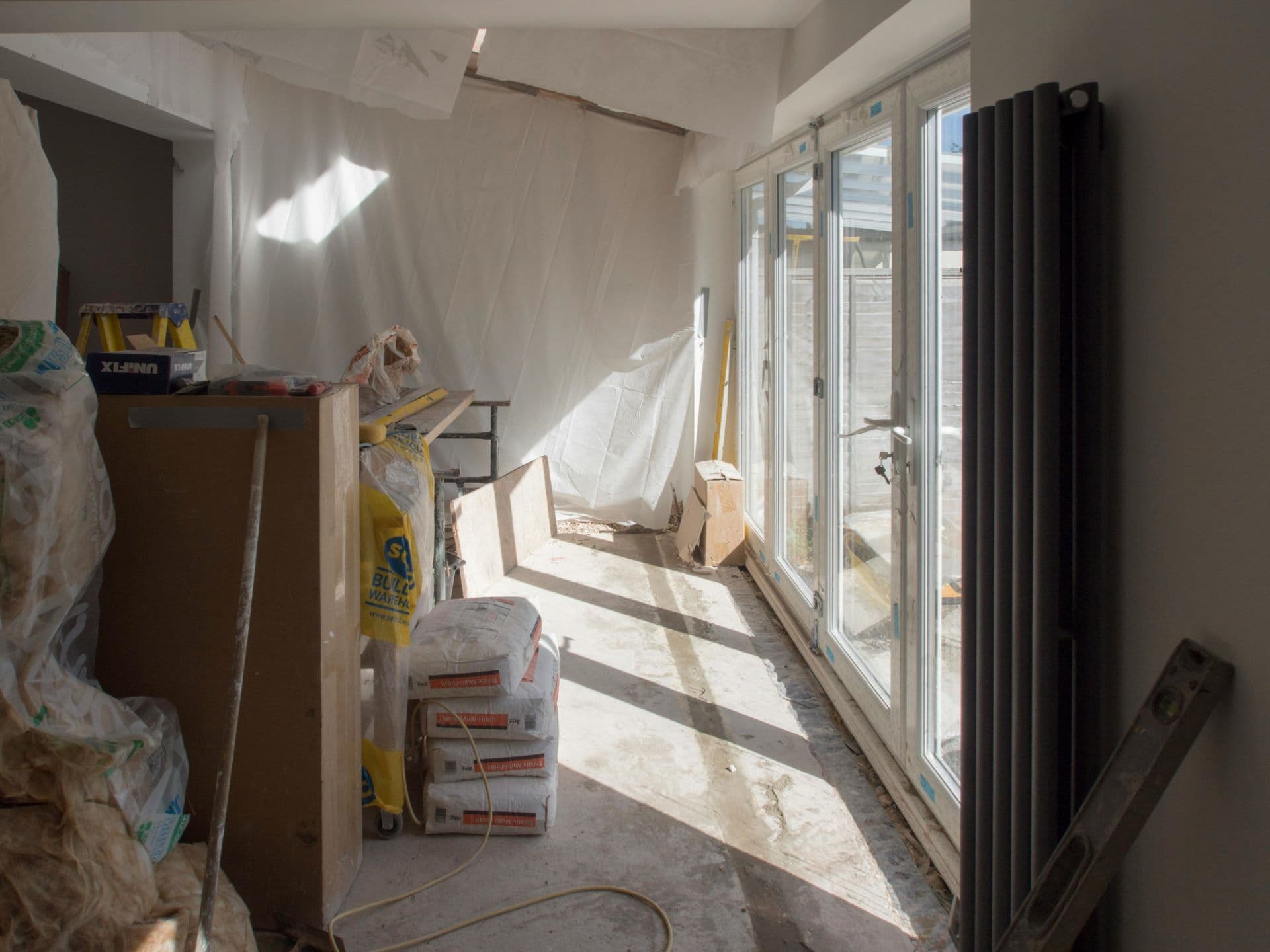
A home extension is any addition that increases your living space – for example:
- An extra bedroom or bathroom - A granny flat or cottage - A larger kitchen or living area - A second storey on part of the house
In Johannesburg, planning properly matters more than just picking a nice design. You need to think about:
- Municipal approvals from the City of Johannesburg - South African building regulations and safety - Realistic costs and timelines - Future resale value and insurance
This guide walks you step by step through home extensions Johannesburg: clarifying your goals, budgeting, checking what’s allowed, getting building plans and approvals, choosing a contractor, managing construction, and wrapping up legally and safely.
Step 1: Clarify Your Goals and Budget
Decide why you want the extension
Start by being very clear about your main reason:
- More space for a growing family - A home office or studio - Rental income from a cottage or granny flat - Space for parents or adult children (multigenerational living) - Improving flow and comfort (e.g., open-plan living, bigger kitchen)
Your goals affect:
- The size of the extension - The level of finishes (basic vs high-end) - Whether you need extra plumbing or electrical work - Whether a second storey or structural changes are needed
A rental unit, for example, may need its own entrance, parking, and kitchenette, which adds cost but can also increase future income.
Set an initial budget range
Before you speak to professionals, decide roughly what you can afford, including:
- Cash savings - Access to a bond extension or personal finance - A realistic monthly repayment you’re comfortable with
Always include a contingency of about 10–20% for unexpected costs such as:
- Hidden structural issues - Upgrades you decide on during the build - Price increases on materials
Rough house addition cost in SA (Johannesburg context)
These are very broad, approximate figures for building work in Gauteng and are not quotes:
- Basic to mid-range single-storey extension: often from around **R8 000–R15 000 per m²** - More complex work (second storey, high-end finishes, difficult access): can move upwards from there
So a 20 m² room could easily run into a few hundred thousand rand once you include professional fees, approvals, finishes, and contingencies.
House addition cost SA figures vary widely by:
- Area and contractor - Market conditions (material and labour prices) - Design complexity
Use these only as a starting point, then get proper quotes.
Main cost drivers
Your home extension cost Johannesburg will depend on:
- **Size** – more square metres means more cost. - **Finishes** – tiles, cupboards, windows, doors, sanitaryware, and lighting. - **Structural changes** – removing load-bearing walls, adding beams, second storey. - **Site access** – narrow driveways, steep slopes, or limited access for trucks. - **Plumbing and electrical** – new bathrooms, kitchens, or DB board upgrades. - **Professional fees** – architect/draughtsperson, engineer if needed, plan fees.
---
Step 2: Check What’s Allowed on Your Property
Before you fall in love with a design, check what you are legally allowed to build.
Basic zoning and building restrictions
In simple terms:
- **Zoning**: Rules that say what you can use your erf for (e.g., residential, business) and how dense the development can be. - **Coverage**: The percentage of your erf area that buildings may cover. - **Height**: How many storeys or metres high the building may be. - **Building lines**: The minimum distance you must keep between buildings and the boundary. - **Servitudes**: Areas on the erf reserved for services or access (e.g., sewer lines, shared driveways) where you usually may not build.
In Johannesburg, these rules are set by the City of Johannesburg and your property’s zoning scheme.
Where to check
You can:
- Ask a local architect or draughtsperson to check the zoning for you. - Contact the City of Johannesburg town planning or building control department.
Have these documents handy if possible:
- Title deed - Existing approved building plans (if you have them) - Erf number and street address - Zoning certificate (or ask the municipality/professional to obtain it)
Why you must not skip this step
If you build without checking:
- You may be ordered to alter or demolish illegal work. - You could face fines or penalties. - You may struggle to get insurance payouts. - You can run into serious problems when selling, as buyers and banks often ask for approved plans.
---
Step 3: Work With a Designer or Professional for Building Plans
In Gauteng, most structural extensions require approved building plans before you start building.
Who can help with plans
You typically work with a:
- Registered architect - Architectural technologist - Draughtsperson
These professionals should be registered with **SACAP** (South African Council for the Architectural Profession).
What they do for you
Your designer will usually:
- Visit your home and measure the existing house and erf. - Discuss your needs, budget, and ideas. - Prepare a concept design and adjust it based on your feedback. - Ensure the design complies with **South African building regulations**, including the **National Building Regulations** and **SANS 10400** (standards for safety, structure, fire, energy, etc.). - Prepare detailed **building plans Gauteng** style: the format and information required by the municipality. - Get structural input from an engineer if needed (e.g., for a second storey or big openings).
What’s in a typical plan set
A standard plan set usually includes:
- **Site plan** – shows your erf, boundaries, building lines, and where the extension sits. - **Floor plans** – layout of rooms, walls, doors, and windows. - **Elevations** – how the building looks from each side. - **Sections** – cut-through views showing heights and construction details. - **Drainage layout** – position of sewer lines, manholes, and connections.
These plans are then prepared for submission to the City of Johannesburg for approval.
---
Step 4: Get Municipal Approval in Johannesburg
You may not start building until the municipality approves your plans.
How the approval process works
In most cases:
1. Your architect/draughtsperson completes the application forms. 2. They submit the plans and documents to the City of Johannesburg on your behalf. 3. The municipality checks compliance with zoning, building regulations, and services. 4. They may request corrections or extra information. 5. Once satisfied, they approve the plans and stamp them.
Typical documents and fees
You can expect to provide or pay for:
- Completed application forms - Proof of your designer’s SACAP registration - Copy of your title deed - Zoning certificate and possibly SG diagram - Neighbour consent if you are applying for relaxations (e.g., building closer to a boundary) - Application and scrutiny fees charged by the municipality
Your professional should guide you on the current requirements and fee structure.
How long does approval take?
For small to medium home extensions in Johannesburg, allow:
- From several weeks to a few months, depending on: - Complexity of the design - Whether relaxations or departures are needed - Municipal workload and backlogs
Do not plan to start construction immediately after submitting. Build this waiting period into your project timeline.
Why building without approved plans is risky
If you build without approved plans:
- You may be forced to stop work or demolish non-compliant structures. - You may struggle with insurance, especially after a fire or structural failure. - You can face fines or legal issues. - Future buyers and banks may refuse to proceed until you legalise the structures, which can be costly and stressful.
---
Step 5: Plan Your Timeline From Start to Finish
Think of your project in phases rather than one big block.
Typical phases for a small–medium extension
- **Planning and design**: 2–8 weeks - **Municipal approval**: 1–4+ months - **Getting contractor quotes and finalising contract**: 2–4 weeks - **Construction**: 2–6 months (depending on size and complexity) - **Inspections and final sign-off**: overlaps with construction, plus a few weeks at the end
These are broad ranges; your project may be shorter or longer.
What can delay your timeline
Common causes of delay include:
- Municipal backlog or resubmissions - Design changes requested after plans are submitted - Bad weather, especially heavy rain affecting foundations and plastering - Material shortages or long lead times (windows, doors, specialised finishes) - Contractor availability and overbooking
Try to avoid tying your completion date to a fixed event like a wedding or big holiday. Rather build in some buffer time so delays do not cause major stress.
---
Step 6: Choosing the Right Contractor in Johannesburg
A good **house extension contractor Johannesburg** can make or break your project.
How to shortlist and compare
- Get at least **2–3 written quotes** for the same scope of work. - Ask each contractor for: - Contactable references from recent clients - Photos or addresses of previous extensions in Johannesburg - Proof of registration where applicable (e.g., **NHBRC** for new dwellings) - Check that they understand local **Gauteng building approvals** and municipal inspections.
What should be in the quote and contract
Your quote and eventual contract should clearly state:
- Detailed scope of work (what is included and excluded) - Materials and finishes (brands or allowances, e.g., tile budget per m²) - Start date and estimated completion date - Payment schedule linked to progress stages, not just time - How variations (changes you request) will be priced and approved - Guarantees on workmanship and major elements (e.g., waterproofing)
Avoid:
- Very vague quotes with one total amount only - Paying a large deposit upfront (beyond a reasonable amount for mobilisation and materials) - Cash-only arrangements without paperwork for structural work
Consider professional oversight
If possible, ask your architect or an independent construction professional to:
- Review quotes - Check the contract terms - Do occasional site inspections to confirm work matches the approved plans
This adds some cost but can prevent expensive mistakes.
---
Step 7: Managing Construction and Inspections
Once building starts, you move into a more intensive phase.
What to expect on site
A typical sequence is:
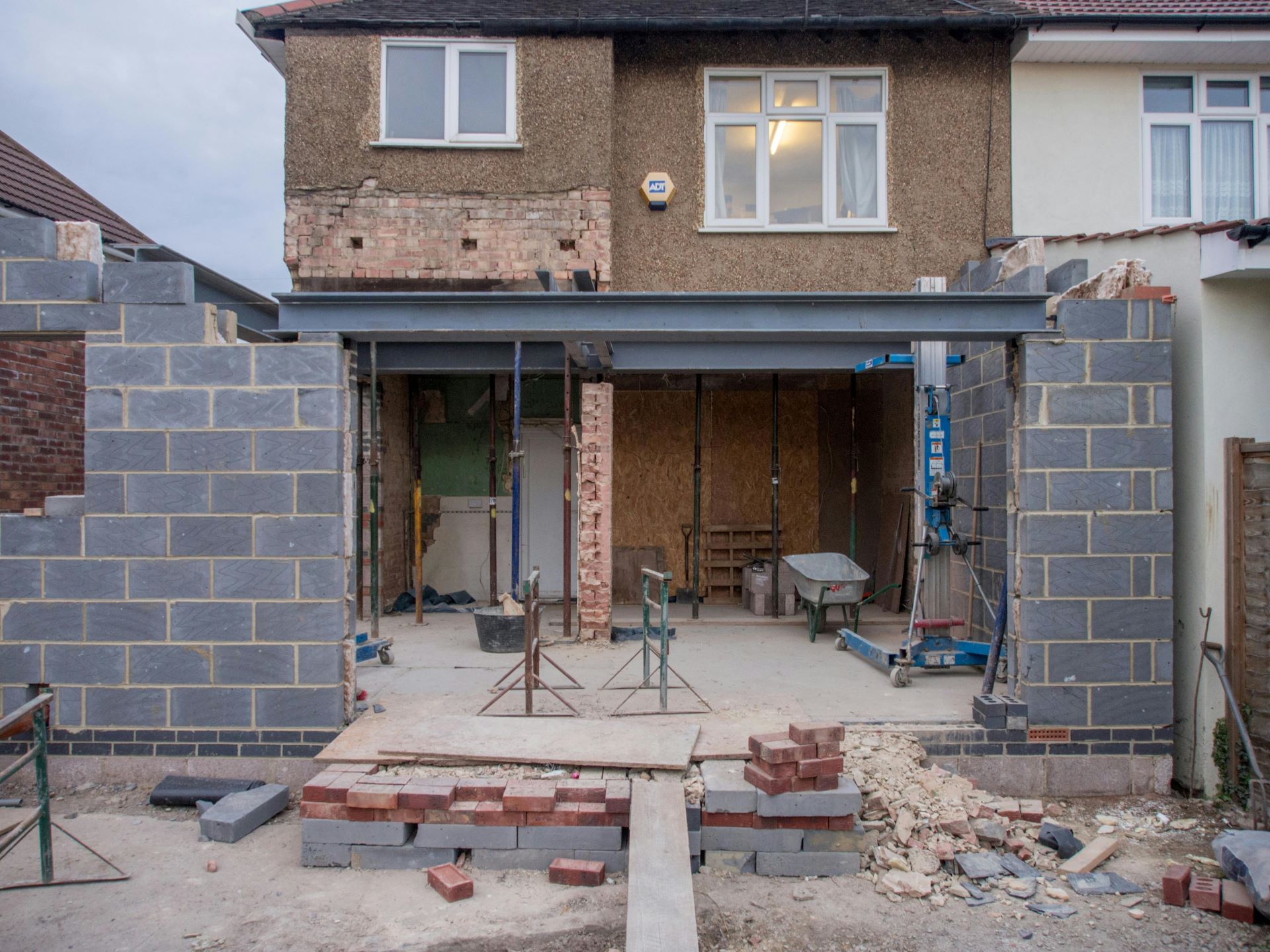
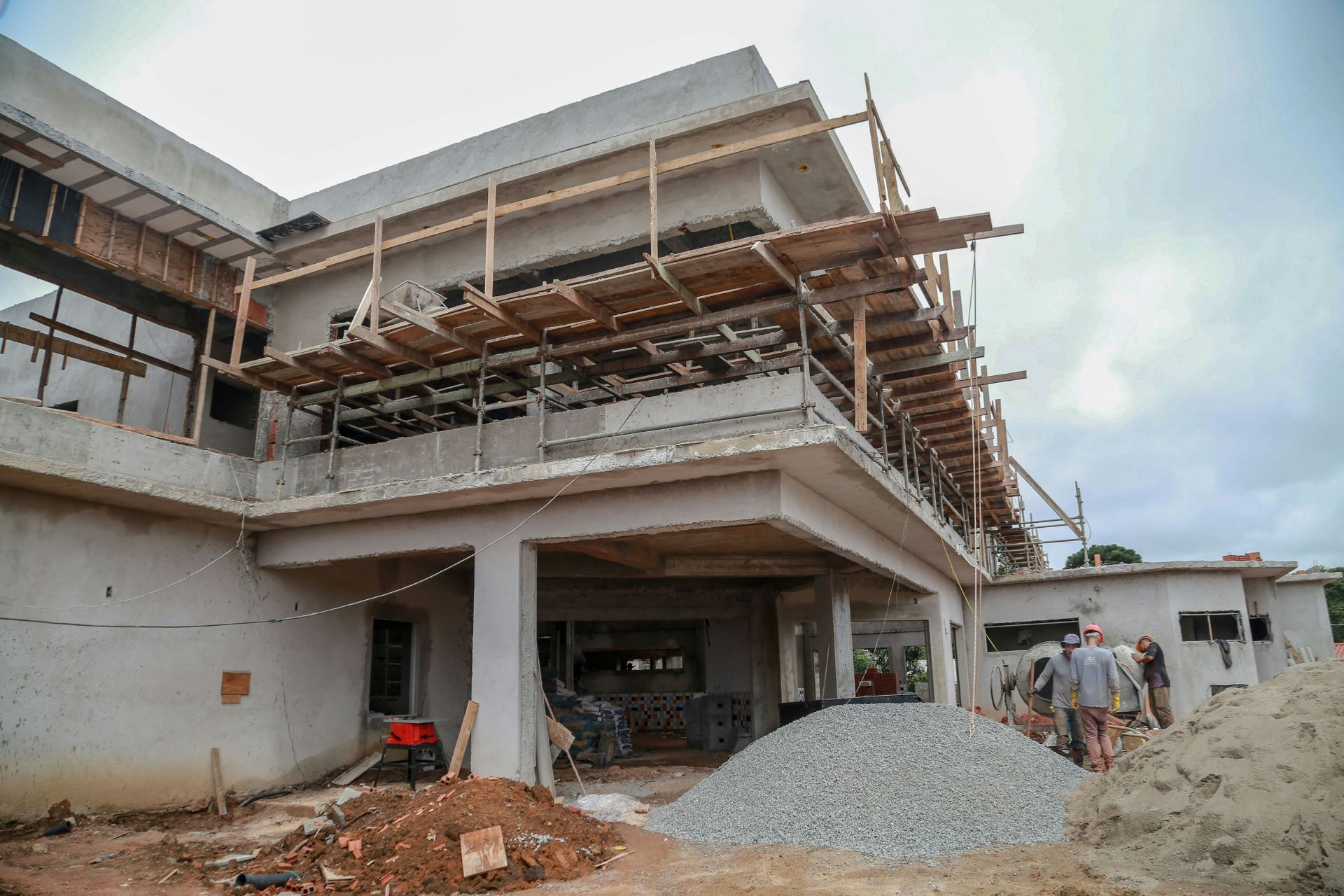
1. Site setup (fencing, storage, temporary services) 2. Demolition or breaking through existing walls if needed 3. Foundations and concrete slabs 4. Brickwork and structural walls 5. Roof structure and covering 6. Windows and doors 7. Plumbing and electrical first fix 8. Plastering, ceilings, and screeds 9. Final plumbing and electrical fittings 10. Painting, tiling, cupboards, and finishes
Municipal inspections
The City of Johannesburg usually requires inspections at key stages, such as:
- Foundations before concrete is poured - Drainage before trenches are covered - Final inspection on completion
Your contractor or professional normally books these inspections, but as the owner you should confirm they are done and signed off.
Practical tips for managing the build
- Keep a simple **project file** (paper or digital) with: - Approved plans - Contract and quotes - Invoices and proof of payments - Inspection records and correspondence - Confirm any changes in writing (email or WhatsApp) and agree on cost and time impact before work proceeds. - Track payments against progress; do not pay ahead of actual work done.
Living through construction
Decide whether you will stay in the house or move out temporarily:
- Staying can save money but means noise, dust, and disruption. - Moving out can speed up work, especially if major parts of the house are affected.
Either way:
- Protect furniture and valuables from dust and damage. - Agree on working hours, access rules, and security arrangements with your contractor.
---
Step 8: Completion, Compliance, and Resale Value
Finishing properly is as important as starting correctly.
Final inspections and certificates
At the end of the project:
- Ensure all required municipal inspections are completed. - Ask your professional to assist in obtaining any **completion certificate** or **occupation certificate** where applicable. - Make sure any engineer’s completion or compliance certificates (for structural elements) are issued.
These documents prove that the work complies with regulations.
Keep your paperwork safe
File and keep:
- Approved building plans and any revisions - Municipal approval letters and completion/occupation certificates - Engineer’s certificates (if any) - Warranties and manuals for geysers, waterproofing, roofing, etc.
This helps with:
- Insurance claims - Future alterations - Selling your property, as buyers and banks often ask for these documents.
Impact on resale value
A well-planned extension in the Johannesburg home renovation market can:
- Add value by increasing bedrooms, bathrooms, or secure parking - Make the home more attractive to families or renters - Improve energy efficiency and comfort if designed well
However, overcapitalising is possible, so discuss with an estate agent or valuer if you are unsure how much to spend in your area.
---
Common Mistakes to Avoid With Home Extensions in Johannesburg
- **Building without approved plans** – Always get plans drawn and approved before starting construction.
- **Underestimating costs** – Set a realistic budget, get multiple quotes, and keep a 10–20% contingency.
- **Choosing the cheapest quote without checks** – Compare scope and quality, check references, and verify registrations.
- **Changing the design repeatedly during construction** – Finalise your design as far as possible before building to avoid delays and extra costs.
- **Ignoring drainage and waterproofing** – Insist on proper detailing and materials; water problems are expensive to fix later.
- **Poor documentation** – Keep written records of changes, payments, and inspections to avoid disputes.
---
Take the Next Step With Confidence
Planning home extensions Johannesburg can feel overwhelming, but if you break it into steps it becomes manageable:
1. Clarify your goals and set a realistic budget with a contingency. 2. Check what’s allowed on your erf in terms of zoning, coverage, and building lines. 3. Work with a registered professional to prepare compliant building plans. 4. Obtain municipal approval from the City of Johannesburg before you build. 5. Plan your timeline and expect some delays. 6. Choose a reputable contractor with a clear contract and fair payment terms. 7. Manage construction actively and ensure all inspections are done. 8. Finalise compliance documents and keep everything on file for resale and insurance.
Every property is different, so always consult qualified local professionals – such as architects, engineers, and experienced contractors – for advice specific to your site and design. With the right team and proper planning, your Johannesburg home extension can be a safe, legal, and rewarding upgrade to your lifestyle and your property.