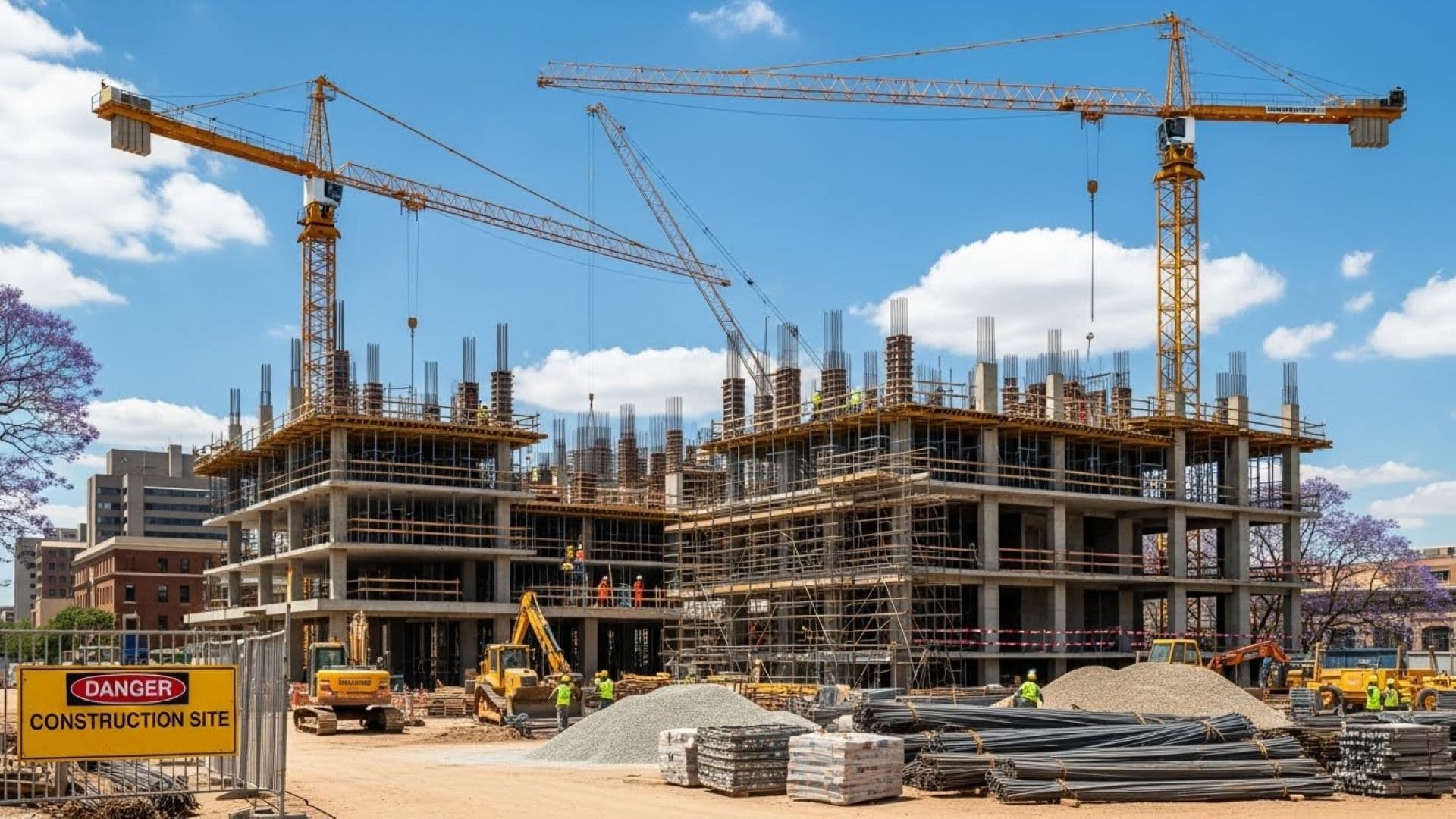
Introduction: Why Building Regulations Matter in Johannesburg
If you own a home in Johannesburg and you’re planning to build, extend, or renovate, you’re dealing with more than just bricks and mortar. You’re also dealing with building regulations SA, Johannesburg building bylaws, and SANS building standards that you are legally required to follow.
Ignoring these rules can lead to:
- Stop‑work orders and delays - Fines and legal action - Forced demolition of illegal structures - Refusal of insurance claims after fire, collapse, or flooding - Serious safety risks for you, your family, and neighbours
This article gives you a clear, practical overview of how building regulations work in Johannesburg, when you need municipal approval, what inspections to expect, and how to stay compliant. It’s general guidance, not legal advice, so you should always confirm details with the City of Johannesburg and qualified professionals.
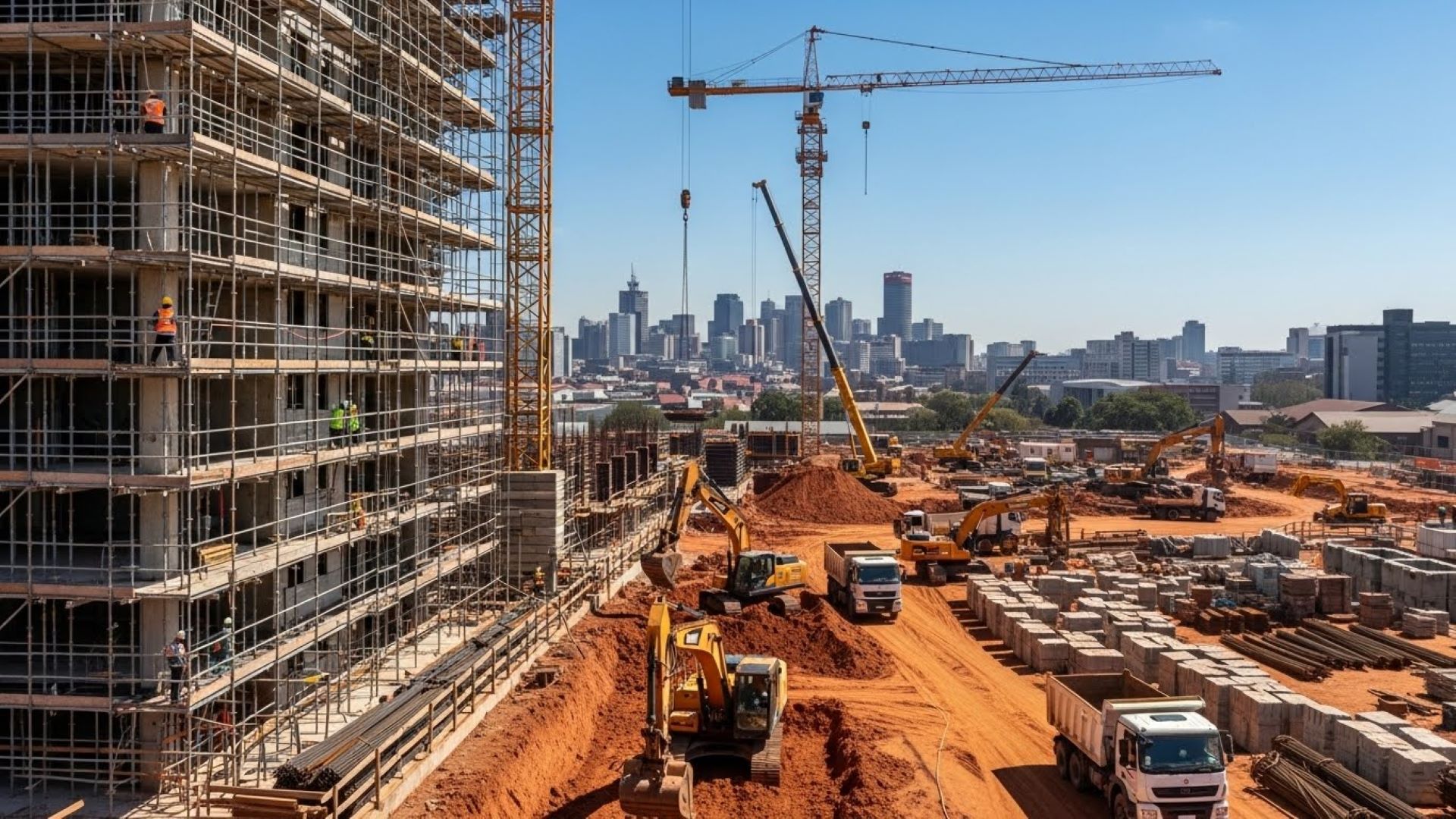
How Building Regulations Work in South Africa and Johannesburg
The hierarchy: national law, SANS, and municipal bylaws
In South Africa, building regulations are layered:
- **National Building Regulations (NBR)** These sit under the **National Building Regulations and Building Standards Act**. They set minimum requirements for safety, health, fire protection, structural strength, sanitation, and energy use across the country.
- **SANS building standards (e.g. SANS 10400)** SANS stands for **South African National Standards**. SANS 10400 is a set of practical rules that show how to comply with the NBR. For example, it covers foundations, walls, roofs, fire safety, ventilation, drainage, and energy efficiency.
- **City of Johannesburg bylaws and policies** The City uses its own **building bylaws**, town planning schemes, and policies to interpret and enforce the NBR and SANS locally. These bylaws set things like: - Building lines (how far from the boundary you must build) - Maximum coverage (how much of your stand you may build on) - Height limits - Parking requirements - Rules for second dwellings, cottages, and staff quarters
Who enforces what?
- The **City of Johannesburg Building Control Department** checks building plans, carries out inspections, and issues approvals and certificates. - Registered professionals (architects, engineers, etc.) design and take responsibility for technical compliance with SANS 10400 and the NBR. - You, as the homeowner, are ultimately responsible for ensuring your property is legal and compliant.
When Do You Need Building Plan Approval?
In Johannesburg, most “real” building work needs **approved building plans** before you start. As a rule of thumb, if it changes the structure, layout, or services of your home, you should assume approval is needed.
Common work that usually needs approved plans
You typically need formal building plan approval Johannesburg for:
- **New buildings** - New houses or townhouses - Garden cottages or second dwellings - Staff rooms or outside rooms
- **Extensions and alterations** - Adding new rooms, upper floors, or balconies - Enclosing a patio or verandah - Converting a garage or staff quarters into a bedroom, flat, or office
- **Structural changes** - Removing or moving load‑bearing walls - Changing the roof structure or roof covering type - Adding large openings (e.g. stacking doors, big windows)
- **Boundary walls and fences** - New or raised boundary walls over a certain height (often around 1,8–2,1 m, but confirm with the City) - Retaining walls that hold back soil
- **Pools and decks** - Swimming pools and some types of large decks - Safety barriers and pool fencing
- **Plumbing and drainage changes** - New bathrooms or kitchens in new positions - Moving sewer lines or stormwater drains
Minor building work and possible exemptions
Some very small changes may qualify as **“minor building work”**, which can have simplified requirements. Examples might include:
- Small tool sheds or wendy houses of limited size - Low boundary walls or palisade fencing - Simple carports or awnings not enclosed on all sides
However:
- The rules are specific and can change. - You usually still need **written confirmation** or a **minor works approval** from the municipality.
Never assume “it’s small, so I don’t need plans”. Always check with **City of Johannesburg Building Control** or a registered professional.
Internal changes that still need approval
Even if work is “inside the house”, you may need plans if you:
- Remove or alter walls (especially load‑bearing walls) - Change the layout in a way that affects escape routes in case of fire - Add or move plumbing fixtures (toilets, showers, basins) - Create a separate flat or rentable unit
If in doubt, get professional advice and written confirmation from the City before you start.
The Plan Submission and Approval Process in Johannesburg
Who can prepare and submit plans?
Building plans must be prepared and signed by appropriately **registered professionals**, such as:
- Professional architects or architectural technologists (registered with **SACAP**) - Competent draughtspersons registered to work on houses - Structural or civil engineers (often for foundations, slabs, and roofs)
They understand Gauteng building regulations, SANS 10400, and local bylaws.
Typical steps from idea to approval
1. **Concept and feasibility** - Decide what you want to build. - Your professional checks **zoning** (what your erf is allowed to be used for), coverage, height limits, and building lines.
2. **Prepare drawings and documents** Your professional prepares: - Detailed building plans and elevations - Site plan showing building position, building lines, servitudes, parking, and access - Drainage and stormwater layouts - Structural details or an engineer’s design where required
3. **Collect supporting documents** (as applicable) - Zoning certificate or SG diagram - Engineer’s appointment and design certificates - Energy efficiency calculations or forms (SANS 10400‑XA) - Neighbour consent, if required for certain relaxations (subject to City policies)
4. **Submit to the municipality** - Plans are lodged with the **City of Johannesburg Building Control Department**. - You pay **scrutiny and approval fees** (amounts vary; confirm with the City).
5. **Municipal scrutiny** Plans examiners check for: - Zoning compliance and land‑use rights - Building lines, coverage, floor area ratio, and height - Parking and access - Structural safety and stability - Fire safety (escape routes, fire walls where needed) - Drainage, sewer connection, and stormwater disposal - Energy efficiency and natural light/ventilation
They may issue **queries** asking for clarifications or changes. Your professional responds and amends the plans.
6. **Approval and conditions** Once satisfied, the City stamps and approves the plans, often with **conditions of approval** (e.g. inspections required, fire equipment, stormwater measures).
You may not start building before approval
Legally, you:
- **May not start construction** until your plans are approved. - Must ensure your professional or contractor **notifies the City of commencement** where required.
Starting without approval is one of the fastest ways to get a stop‑work order.
Key SANS and National Building Requirements Homeowners Should Know
SANS 10400 and the National Building Regulations cover many technical areas. As a homeowner, it helps to understand the basics.
Structural safety
- Adequate **foundations** for your soil conditions - Walls and slabs designed not to crack or collapse - Roof structures properly braced and fixed to walls
Fire safety and escape
- Safe **escape routes** from bedrooms and living spaces - Fire separation between units or garages and the house where required - Non‑combustible materials in critical areas (e.g. around braais or gas installations)
Health, comfort, and energy efficiency
- Enough **natural light and ventilation** in habitable rooms - Proper **drainage** and sanitary fittings connected to the correct system - **Damp‑proofing** to prevent rising damp and leaks
Under **SANS 10400‑XA** (energy efficiency):
- Roofs, walls, and windows must be designed to reduce heat loss and gain. - Insulation and glazing standards help keep your home more comfortable and reduce electricity use.
Compliance isn’t just about ticking a box. It affects:
- Long‑term safety and durability - Monthly running costs (heating and cooling) - Future resale value and buyer confidence
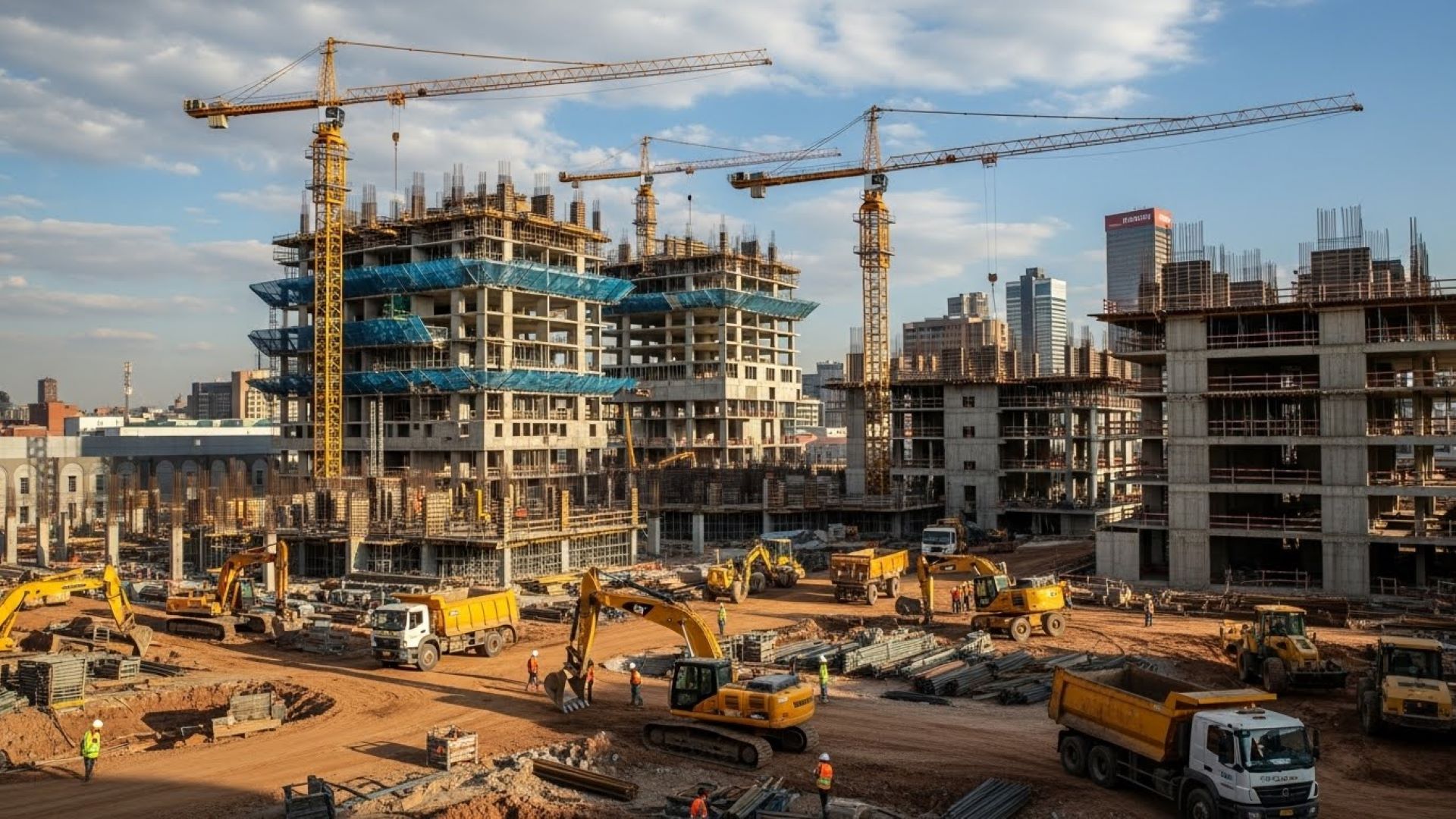
Inspections: What the City Checks On Site
Who inspects?
- The **City of Johannesburg** sends building inspectors to site. - Your **architect and engineer** may also inspect and must often certify that the work complies with their designs and SANS requirements.
Typical inspection stages
Inspections can vary, but common stages include:
- **Foundation trenches** - Before concrete is poured - Inspectors check depth, width, soil conditions, and reinforcement.
- **Foundations and slabs** - Check concrete quality, reinforcement, and damp‑proof membranes.
- **Drainage and sewer** - Before backfilling trenches - Inspectors check pipe gradients, connections, manholes, and separation between sewer and stormwater.
- **Roof structure** - Check truss layout, bracing, anchoring, and compliance with engineer or truss manufacturer design.
- **Final completion inspection** - Check that the building matches the approved plans - Verify safety features, handrails, steps, fire requirements, and drainage.
Your responsibilities as homeowner
You must:
- Ensure inspections are **booked at the right stages** (your contractor or professional usually helps, but you should confirm). - Make sure work is **accessible** to inspect (don’t cover trenches or pipes before inspection). - Keep records of: - Approved plans and stamped copies - Inspection reports - Engineer’s and other professionals’ certificates
At the end, you may need an **occupation certificate** (sometimes called a “COC” or “OCCUP”) for new dwellings or major extensions. This confirms the building is fit for occupation and compliant.
Common Compliance Pitfalls in Johannesburg
Some issues crop up again and again in building inspections Johannesburg and enforcement actions:
- **Building over building lines** - E.g. extending a room right up to the boundary without permission. - Can lead to refusal of approval or demands to demolish the extension.
- **Encroaching on servitudes** - A **servitude** is a strip of land (often along boundaries) reserved for services like sewer or stormwater. - Building over it can block access and lead to serious legal problems.
- **Illegal second dwellings or backyard rooms** - Adding rental rooms or cottages without plans or zoning rights. - Can cause fines, refusal of occupation certificates, and difficulty with tenants.
- **Unapproved boundary walls and high fences** - Especially very high solid walls on street fronts or corners that affect traffic visibility.
- **Garage conversions without approval** - Turning a garage into a bedroom or flat without plans, proper ventilation, fire separation, or parking provision.
- **Non‑compliant stormwater disposal** - Directing stormwater onto neighbours’ properties or into the sewer system.
Consequences may include:
- Stop‑work or demolition orders - Penalty fees and legal action - Refusal to sign off completion or issue occupation certificates - Problems when selling, as banks and buyers often request approved plans - Insurance claims being rejected if damage is linked to illegal or unsafe work
Working With Professionals and the Municipality
Why you should use registered professionals
Registered architects, draughtspersons, engineers, and construction managers:
- Understand Johannesburg building bylaws, SANS 10400, and the National Building Regulations. - Can design compliant solutions that still meet your needs. - Navigate the plan approval and inspection process efficiently. - Provide the certificates the City and banks often require.
Always check that your professional is registered with bodies such as **SACAP** or **ECSA**.
Dealing with the City of Johannesburg
When working with City of Johannesburg building control:
- Keep **all reference numbers** from submissions and queries. - Use email where possible and ask for **written confirmation** of decisions. - Be patient but persistent; approvals can take time. - Remember that bylaws and processes change, so rely on **current** information from officials or updated municipal documents.
Your professional usually handles most of this communication, but you should stay informed and keep copies of everything.
Practical Checklist Before You Start Building
Use this quick checklist before you break ground:
- Confirm your **zoning** and land‑use rights. - Check **building lines, coverage, height limits, and servitudes** on your erf. - Decide what you want to build and discuss feasibility with a **registered professional**. - Get **plans drawn** that comply with SANS building standards and Johannesburg bylaws. - Collect required **supporting documents** (engineer’s designs, energy efficiency forms, consents). - Submit plans to the **City of Johannesburg** and pay the required fees. - Wait for **formal written approval** and stamped plans. - Read and understand any **conditions of approval**. - Appoint reputable contractors and ensure they build **according to the approved plans**. - Book **municipal and professional inspections** at all required stages. - Keep all **records, certificates, and correspondence** safely filed. - Obtain your **completion and occupation certificate** (where applicable) before using or renting out the new space.
Build Safely, Legally, and With Confidence
Building or renovating in Johannesburg doesn’t have to be stressful, but you do need to respect the rules. National Building Regulations, SANS 10400 standards, and Johannesburg building bylaws are there to protect you: they help ensure your home is safe, insurable, comfortable, and easier to sell in future.
Treat compliance as part of responsible homeownership, not just red tape. Work with qualified professionals, engage constructively with the City of Johannesburg, and always get clarity before you build.
**Disclaimer:** This article is for general information only and is not legal or professional advice. For your specific project, always consult the City of Johannesburg’s official resources and suitably qualified, registered professionals.