Load Shedding and Rising Building Costs in Gauteng
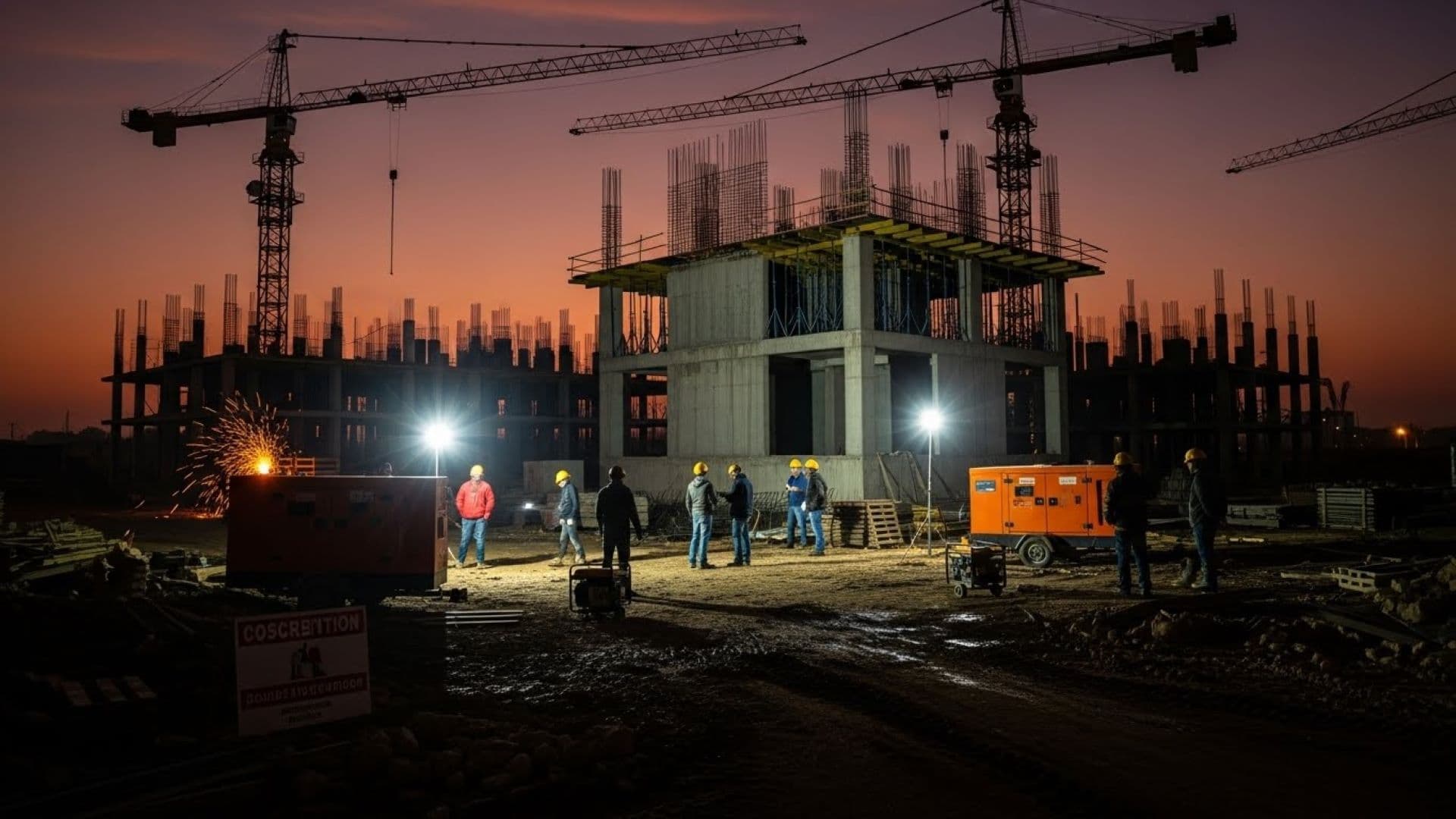
If you’re building in Johannesburg, Pretoria, or anywhere in Gauteng, you already know that load shedding is more than an irritation. It’s a regular part of life. For construction, though, it’s not just inconvenient – it’s expensive.
Load shedding is Eskom’s controlled way of cutting electricity supply when demand is higher than what the grid can safely provide. In Gauteng, power cuts can happen several times a week, often for 2–4 hours at a time, and the stages change with little warning.
Construction sites are highly time-sensitive and equipment-intensive. Concrete pumps, mixers, cranes, hoists, power tools, security systems, and even basic lighting all rely on electricity. When the power drops, work slows or stops – and costs climb.
The core message: recurring power cuts push up building costs Gauteng-wide through:
- Material wastage - Labour inefficiencies and idle time - Generator, fuel, and equipment costs - Project delays and financing impacts - Quality risks and future rework
Understanding how load shedding construction costs build up helps you plan better, choose the right contractor, and budget more realistically from day one.
---
How Load Shedding Disrupts a Construction Site
To understand the money side, it helps to picture what actually happens on site when the power goes off.
Power-dependent activities on a typical Gauteng site
Most modern building sites rely on electricity for:
- Mixing and pumping concrete and mortar - Cutting and drilling steel, brick, and timber - Operating tower cranes, hoists, and small lifting equipment - Pumping water out of excavations and basements - Running site offices (computers, printers, Wi‑Fi) - Lighting for early morning, evening, or indoor work - Security systems: cameras, alarms, electric fencing, access control
When load shedding hits unexpectedly or at the wrong moment, these activities stop instantly.
Unplanned stoppages and knock-on effects
Power cuts don’t just pause work; they disrupt the whole sequence:
- Crews stand idle while waiting for power or generator changeover - Concrete pours or mixes are interrupted mid-way - Tools and equipment shut down mid-task and need checks before restarting - Deliveries (like ready-mix trucks or crane bookings) may have to be rebooked - Safety checks are needed after the power returns, which takes extra time
Each disruption might look small – an hour here, 90 minutes there – but over a 6–8 month build, these delays stack up into real money.
---
1. Material Wastage: When Power Cuts Ruin Your Materials
Material wastage is one of the most visible ways load shedding construction costs increase.
Concrete and mortar timing
Concrete and mortar are time-sensitive. Once water is added, the mix starts to set. If power goes off:
- While mixing: batches may not be properly mixed and must be discarded - During a pump pour: concrete can start to set in the pump line or in the slab before it’s properly compacted - During finishing: the surface may be left half-finished, leading to weak spots or poor finish
If a 2-hour outage hits mid-pour, the contractor might have to:
- Dump part of the load - Order extra concrete - Pay additional labour to clean pumps and redo work
For a small residential slab or foundation in Gauteng:
- Say you’re pouring 15 m³ of concrete at roughly R1,300–R1,700/m³ (material and supply only, very approximate). - If 5 m³ is wasted or needs to be chipped out and replaced, that’s easily R6,500–R8,500 in material alone, plus: - Extra pump hire - Extra labour for breaking out and re-pouring - Possible engineer inspections
Impact on finishes and adhesives
Power cuts also affect:
- Paints and coatings that need a continuous application - Waterproofing membranes and adhesives that need consistent curing conditions - Tiling adhesives and grouts that can be disturbed if work stops halfway
If work stops mid-room, you may end up with:
- Visible colour differences - Peeling or bubbling coatings - Tiling that doesn’t bond properly and needs to be redone later
Hidden quality issues and cold joints
Sometimes the damage isn’t obvious immediately. Concrete poured in two stages because of load shedding can create “cold joints” – weak planes between old and new concrete. These can lead to:
- Cracks - Water leaks (especially in basements, balconies, and roofs) - Structural concerns that require engineering input
Fixing these issues later is far more expensive than doing it right the first time and can involve:
- Chasing out and re-waterproofing - Structural strengthening - Legal disputes if the problem appears after handover
Over a full project, repeated “small” wastage events – a few bags of cement here, a part-load of concrete there, a room of paint redone – can add tens of thousands of rand to the final bill.
---
2. Labour Inefficiencies and Idle Time
Even if your labour rates don’t change, load shedding reduces productivity and pushes up the cost per unit of work.
Idle teams and stop-start work
Typical patterns on a Gauteng site:
- Teams arrive and set up, only to be shut down by a 2–4 hour outage - Work stops and starts several times a day during higher stages of load shedding - Each stop requires packing away tools, securing the site, and then unpacking and rechecking when power returns
For example:
- A crew of 10 workers at an average loaded cost (wages plus statutory costs) of, say, R80–R120 per hour each - If they sit idle for 2 hours because no generator is available or it can’t power their tools, that’s: - 10 workers × 2 hours × R100 (mid-range) ≈ R2,000 in lost productive time in a single day
Spread this over 10 similar days in a month and you’re looking at around R20,000 of labour paid with little output.
Overtime and weekend work
To make up for lost time, contractors often:
- Work overtime on weekdays - Work Saturdays (and sometimes Sundays)
Overtime rates are usually higher than normal time. That means:
- The same task costs more in labour - Workers may be tired, which can affect quality and safety
Subcontractor costs and call-out fees
Many subcontractors (electricians, plumbers, specialist installers) charge:
- Minimum call-out fees - Half-day or full-day rates, regardless of how much they can do
If they arrive and can’t work because of load shedding:
- You may still be paying for their time - They may need to come back another day and charge again
All of this feeds into higher overall labour costs and contributes to construction delays SA-wide.
---
3. Equipment, Generators, and Fuel: Hidden Operational Costs
To keep a site moving, most contractors in Gauteng now rely on generators. These keep critical operations going but introduce a new layer of costs.
Generator hire or purchase
Common strategies include:
- Hiring a diesel generator for the duration of the project - Buying a generator (or several) and moving them from site to site
Costs vary by size and supplier, but for a medium-sized site needing to run:
- Mixers, some power tools, small pumps - Site office - Basic security and lighting
You might see:
- Monthly hire costs in the range of several thousand rand (very roughly R8,000–R20,000+, depending on capacity and terms)
Fuel and running costs
Fuel is where the costs really add up over months of recurring load shedding:
- A medium-sized generator can easily use several litres of diesel per hour under load - Across multiple 2–4 hour outages per day, that can mean dozens or hundreds of litres per month
At current petrol/diesel prices (which fluctuate), a busy site can spend:
- Many thousands of rand per month purely on generator fuel
These are operational costs that wouldn’t exist – or would be far lower – without load shedding.
Maintenance and wear-and-tear
Generators and equipment designed for occasional backup use now run frequently. That leads to:
- More frequent servicing (oil, filters, parts) - Higher risk of breakdowns - Extra costs to repair or replace equipment
There’s also wear-and-tear on tools and machinery from constant stop-start cycles when power switches between grid and generator.
Security and lighting
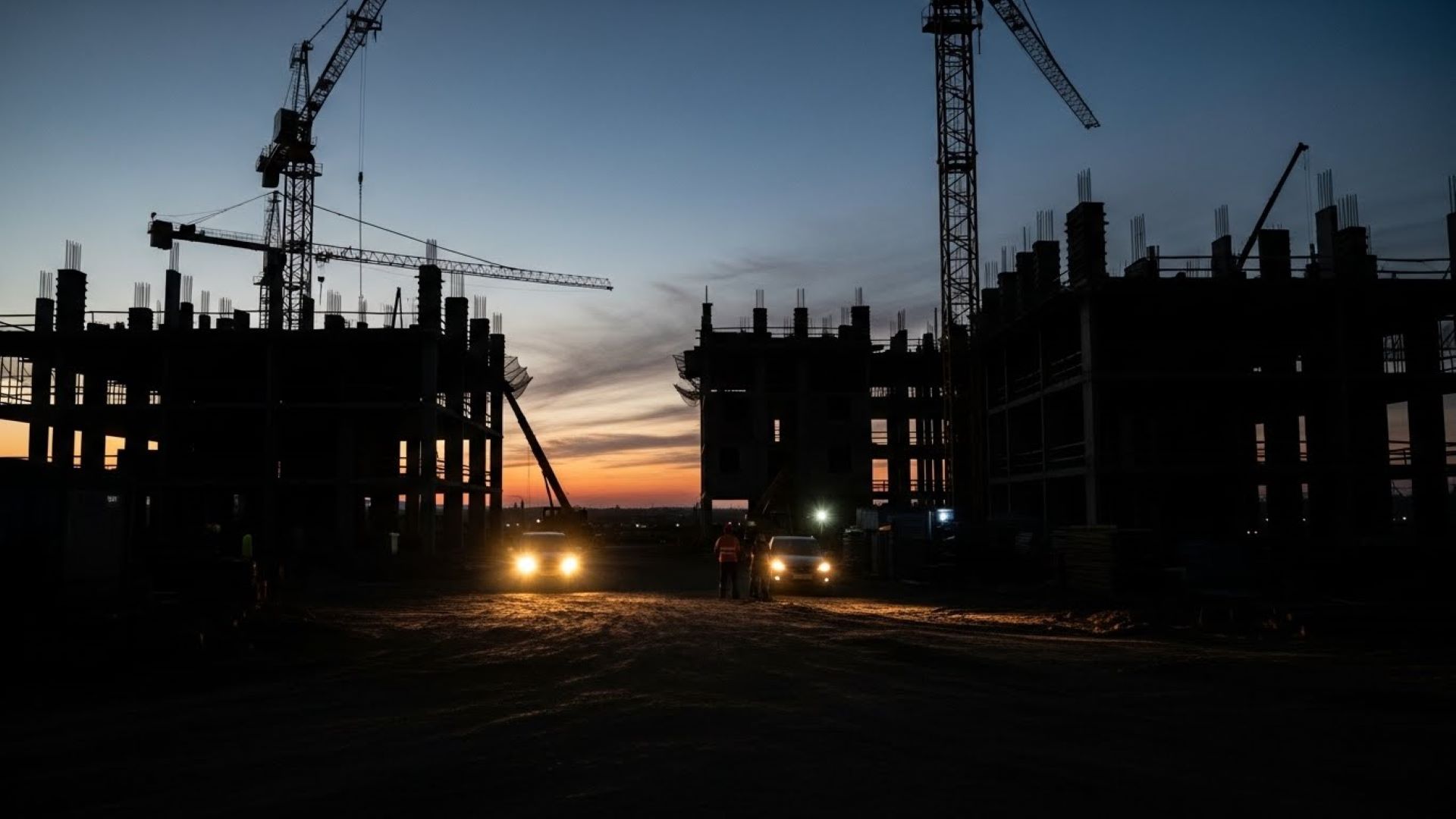
When the power goes off at night:
- Sites become more vulnerable to theft and vandalism - Materials like copper pipes, cables, and tools are targets
To manage this, contractors may need:
- Extra security guards - Battery or solar-powered lighting - More robust fencing and access control
These are all additional line items that quietly increase building costs Gauteng projects must carry.
---
4. Project Delays, Penalties, and Financing Costs
Time is money in construction. Load shedding stretches timelines, and longer projects almost always cost more.
Extended project durations
Frequent 2–4 hour outages can:
- Push tasks out by days or weeks - Create gaps between trades (e.g., brickwork delayed, so plastering and ceilings start later) - Cause a 6-month build to stretch to 7–8 months or more, depending on how severe and frequent the cuts are
Even if each delay is “only” a few hours, the cumulative effect is significant.
Preliminaries and site overheads
“Preliminaries” are the running costs of keeping a site open, such as:
- Site establishment and fencing - Supervision and management staff - Site toilets and cleaning - Security and insurance - Temporary services (water, power, generators)
If your project runs two months longer than planned, all these monthly costs carry on. That can mean:
- Tens of thousands of rand in extra overheads on even a modest project
Penalties and contractual risks
On larger developments, contracts may include:
- Liquidated damages: fixed daily or weekly penalties if completion dates are missed
If load shedding contributes to delays and the contract does not clearly treat it as an allowable delay, the contractor or developer could:
- Pay penalties - Absorb additional costs to accelerate work (more crews, overtime, extra equipment)
Homeowners building under standard building contracts may not face formal penalties, but they still face:
- Extra rent while waiting to move in - Storage costs for furniture - Disruption to planned move-in dates or property sales
Financing and opportunity costs
Longer projects also mean:
- More months of interest on building loans or development finance - Later start to rental income for investment properties - Delayed sales and cash flow on developments
For example:
- If your bond or development loan interest is R15,000 per month, and the project runs 2 months longer partly due to load shedding, that’s roughly R30,000 in extra interest alone.
---
5. Quality Risks and Rework
Load shedding doesn’t only affect cost and time; it can quietly reduce build quality, leading to expensive problems later.
Rushed and interrupted work
When power returns after an outage, there’s often pressure to “catch up”:
- Crews may rush tasks to stay on programme - Quality checks may be shortened - Work may continue in poor lighting conditions
Interrupted processes like concrete curing, plastering, and waterproofing can create weak points that show up months after handover.
Future defects and repairs
Common issues linked to disrupted or rushed work include:
- Cracks in slabs, beams, and walls - Leaks in roofs, balconies, and basements - Poor finishes (uneven tiles, paint failures, hollow plaster)
Rework is almost always more expensive than doing it properly the first time, especially for structural or waterproofing issues that require:
- Breaking out finishes - Rebuilding or reinforcing - Repainting or retiling affected areas
In serious cases, defects can lead to disputes, insurance claims, or legal action – all of which carry additional costs and stress.
---
Planning for Load Shedding: Practical Steps to Control Costs
You can’t switch off load shedding, but you can plan for it. Good planning doesn’t remove all risk, but it can significantly reduce surprise overruns.
Use schedules and plan critical tasks
- Check Eskom and municipal load shedding schedules regularly (they can change). - Integrate expected outage times into the construction programme. - Schedule critical tasks like concrete pours, major crane lifts, and waterproofing for periods with the lowest risk of cuts.
Where possible, avoid starting tasks that can’t safely be stopped just before a known outage window.
Budget specifically for load shedding
When planning building costs Gauteng projects should:
- Include a line item for generator hire or purchase - Allow for monthly fuel costs (with some contingency for price increases) - Budget for extra supervision and security during outages - Add a realistic contingency percentage to cover wastage, rework, and delays related to power cuts
These allowances should be discussed openly between you and your contractor or quantity surveyor.
Use alternative and backup technologies
Depending on your project scale:
- Use manual or battery-powered tools for tasks where it’s practical - Consider solar or hybrid systems for site offices and security lighting - Use battery backup for critical systems like access control, alarms, and IT equipment
These don’t remove the need for generators on larger sites, but they can reduce reliance and running costs.
Contractual and management strategies
While this isn’t legal advice, it’s wise to:
- Ensure contracts clearly address how load shedding-related delays are managed - Agree on realistic completion dates that acknowledge current load shedding patterns - Clarify who carries which risks and costs if outages worsen
For developers, working closely with your professional team (project manager, quantity surveyor, engineer) can help structure contracts in a way that is fair but realistic.
For homeowners: questions to ask your contractor
If you’re building or renovating a home in Gauteng, ask:
- How do you plan around load shedding on this project? - Do you have your own generator, or will you hire one? Who pays for fuel? - How do you protect quality of work if power goes off during concrete pours or finishes? - Have you allowed for possible delays due to load shedding in your programme and price?
Clear answers here are a good sign that your contractor understands the real impact of power cuts on building projects.

---
Building in Gauteng? Factor Load Shedding into Your Budget
Load shedding construction challenges are now a normal part of building in South Africa, especially in Gauteng. Power cuts increase costs through:
- Material wastage (especially concrete, mortar, and finishes) - Labour inefficiencies and idle time - Generator, fuel, and equipment wear-and-tear - Extended project durations, higher preliminaries, and extra financing costs - Quality risks that lead to rework and future repairs
You can’t control Eskom, but you can control how well you plan for its impact. By understanding these cost drivers upfront, you’re less likely to face nasty surprises halfway through your build.
If you’re a developer or homeowner, work with contractors and professional teams who:
- Acknowledge load shedding as a real risk - Have a clear, practical plan to manage it - Are transparent about the related costs in their pricing and programme
With realistic budgeting and proactive planning, it’s still possible to build successfully in Gauteng – even when the lights don’t always stay on.